Most of the time spent in an office is spent sitting. That is why choosing a chair is not just a decoration decision; it directly affects comfort, posture and how tired you feel at the end of the day. To choose the right chair, you first need to be clear about who will use it, for how long and for what purpose.
Manager, task and visitor chairs: what is the difference?
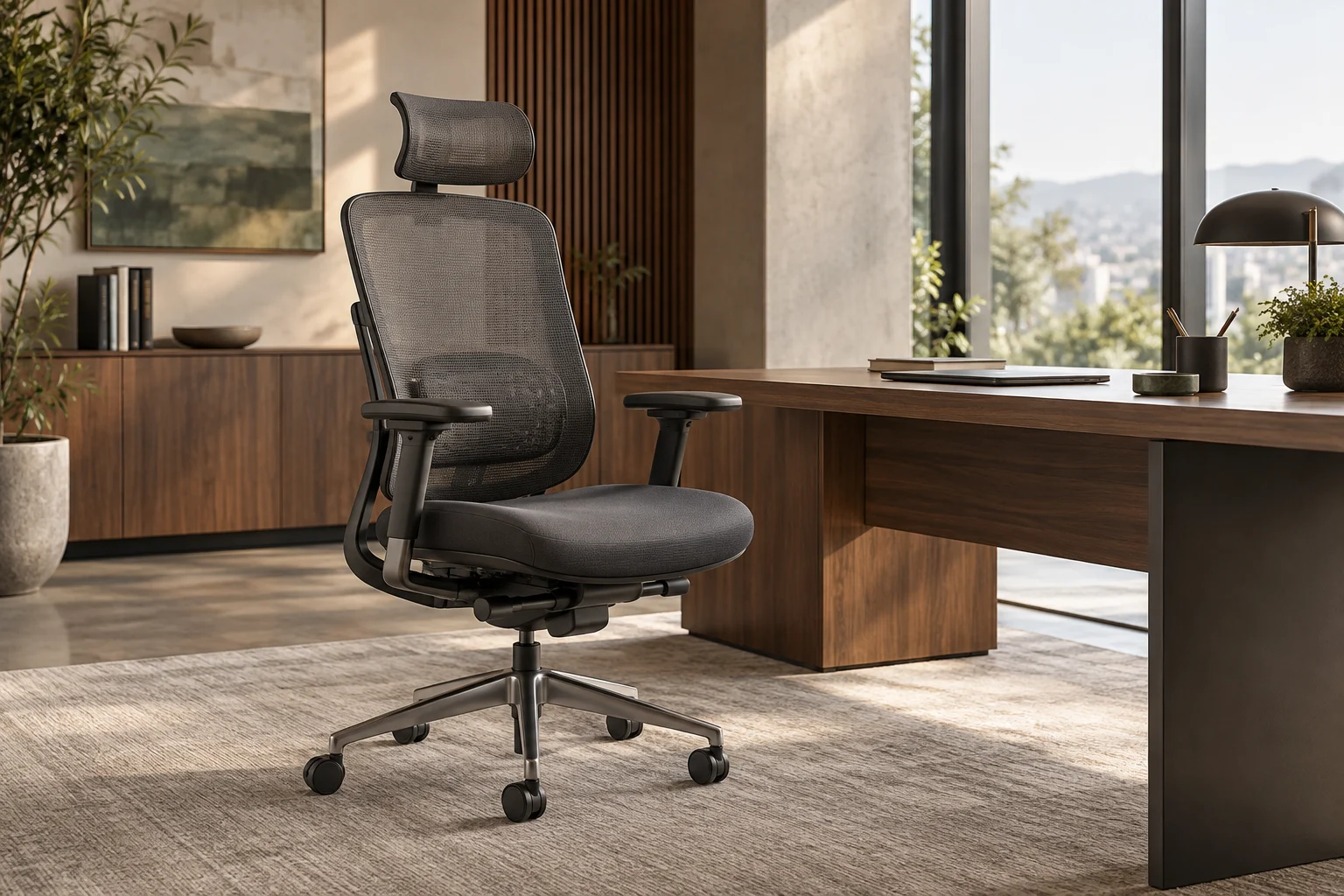
Office chairs are usually designed as three models of the same series. Manager chairs have a high back; they also support the head and neck and suit long sitting periods. Task chairs have a medium back; they take up less space and suit an active way of working. Visitor chairs have no castors, with a fixed or cantilever base, and are intended for short sittings across the desk. Choosing from the same series gives the room a consistent look.
Five points to check
- Back height and lumbar support: The backrest should fill the curve of the lower back without pushing the shoulders forward.
- Seat depth: When you lean back, a gap of a few fingers should remain between the back of the knee and the seat.
- Height adjustment: Feet should rest flat on the floor and knees should be at roughly a right angle.
- Armrests: Armrests should carry the elbow without lifting the shoulders and should not stop you from pulling up to the desk.
- Base and upholstery: Chrome, wooden or plastic bases and leather, faux leather or fabric upholstery determine both the look and the ease of care.
A choice that suits the character of the room
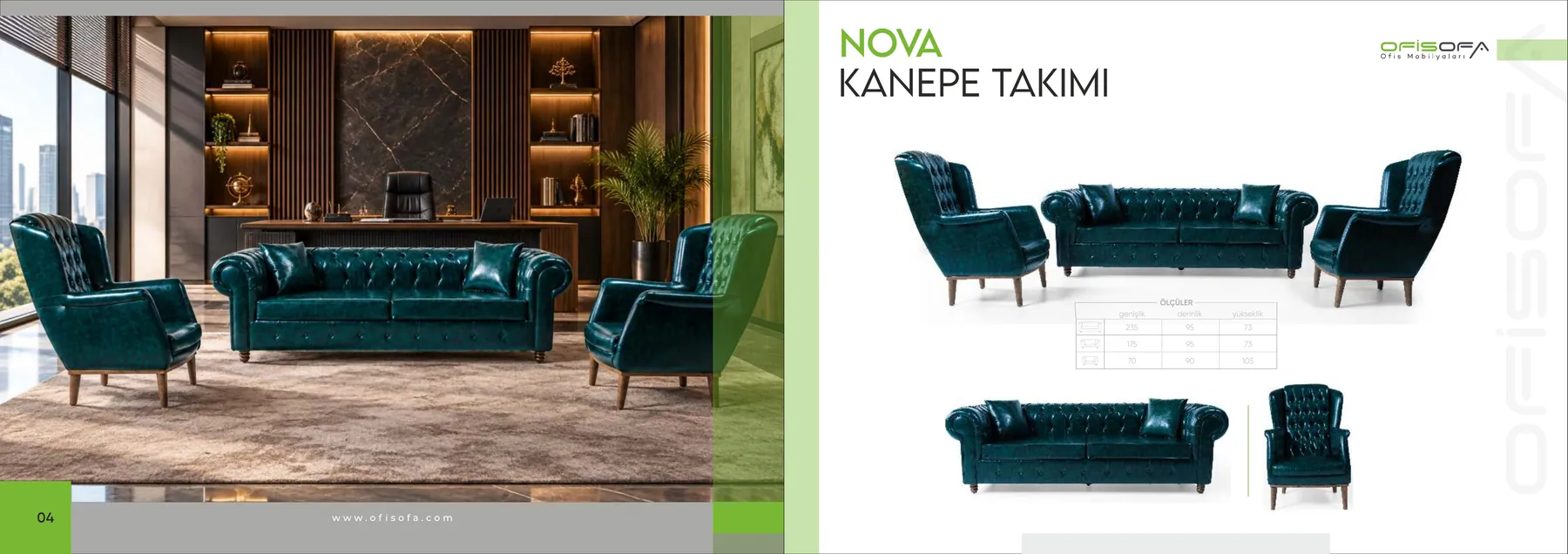
In management offices, executive chairs with wooden arms and quilted details give a classic, dignified feel. In open-plan offices, simpler task chairs or mesh chairs are preferred. For waiting areas, two- and three-seat waiting benches save space.
For information on models, colours and upholstery options, please contact us.